Thinking about weight loss surgery? Turkey has emerged as a popular destination, offering potentially significant cost savings compared to procedures in the US or Europe. This article provides a comprehensive guide to understanding the options, risks, and process involved in pursuing weight loss surgery in Turkey. We'll explore different procedures, examine cost comparisons, and offer a step-by-step approach to finding a reputable surgeon and clinic. Remember, while cost savings are attractive, prioritizing safety and quality of care remains paramount.
Exploring Weight Loss Surgery Options in Turkey
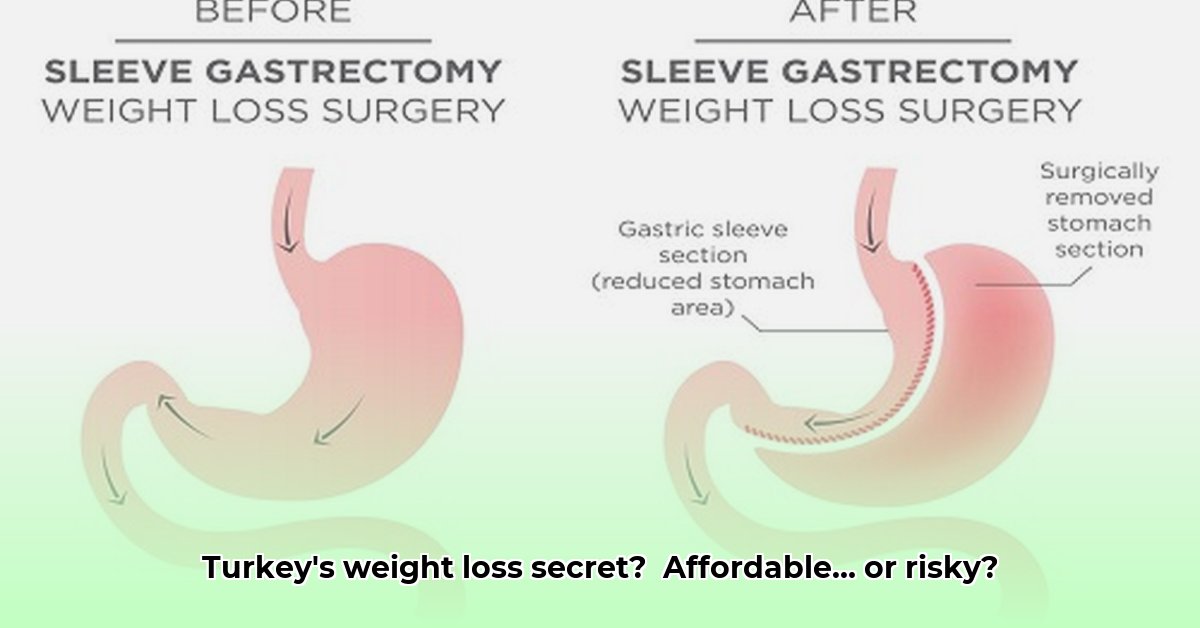
Turkey offers several bariatric surgery options including gastric sleeve, gastric bypass, and gastric balloon placement. A gastric sleeve (sleeve gastrectomy) reduces stomach size, restricting food intake. Gastric bypass alters the digestive system, limiting both food consumption and nutrient absorption. A gastric balloon is a temporary, less invasive option. The ideal procedure depends on individual health and lifestyle factors, with a qualified surgeon assisting in determining the optimal pathway.
The Cost Factor: What to Expect
A major draw for weight loss surgery in Turkey is the lower cost. Savings can range from 50% to 70% compared to Western countries. For example, a gastric sleeve might cost between £3,000 and £4,500 in Turkey versus £7,000 to £11,000 or more in the UK. However, remember to budget for flights, accommodation, and other expenses. Multiple quotes from different clinics are essential for comparison, but price shouldn't be the only deciding factor. Prioritize surgeon expertise and quality of care.
Finding the Right Surgeon: A Crucial Step
Selecting a qualified and reputable surgeon is critical for a successful and safe outcome. Seek board-certified surgeons practicing in accredited hospitals, ideally those with Joint Commission International (JCI) accreditation. Although online reviews offer valuable insights, they shouldn’t be your only resource. Independently verify credentials and check multiple review sites for balanced perspectives. Don't rely solely on information provided by the clinic's website.
Understanding Potential Risks and Complications
Weight loss surgery, even in Turkey, carries inherent risks. These include infection, bleeding, blood clots, and nutritional deficiencies. Openly discuss these risks with your surgeon. Inquire about their experience managing complications and the possibility of revision surgery. A transparent and upfront discussion is vital; a lack of such is a major red flag. As Dr. Anya Sharma, MD, a bariatric surgeon at the Mayo Clinic, states: "Open communication is essential for a positive surgical outcome, addressing patient concerns and managing expectations."
Post-Surgery Care and Long-Term Weight Management
Successful weight loss extends beyond surgery. Your surgeon will outline post-operative care, including dietary guidelines and follow-up appointments – crucial for monitoring progress and addressing concerns. Sustained weight loss requires lifestyle changes: dietary adjustments, regular exercise, and ongoing commitment to healthy habits. Long-term support, potentially through support groups, can significantly aid weight management. According to research published in the Journal of the American Medical Association, "patient support programs significantly improve long-term outcomes following bariatric surgery."
A Pre-Departure Checklist: Key Steps Before Your Trip
Before departing for Turkey, thorough preparation is essential. Here’s a comprehensive checklist:
- Meticulous Research: Investigate clinics and surgeons thoroughly.
- Multiple Quotes: Compare prices and services across various providers.
- Post-Op Care Plan: Secure details on the post-operative care plan, including follow-up appointments.
- Realistic Budget: Factor in all travel and accommodation expenses.
- Insurance Coverage: Determine your insurance coverage and potential out-of-pocket expenses.
- Language Management: Establish a plan to address any language barriers.
Weighing the Pros and Cons: A Balanced View
Consider both advantages and disadvantages before making a decision.
| Pros | Cons |
|---|---|
| Significantly lower costs | Travel and accommodation expenses |
| Access to experienced surgeons (in some cases) | Potential language and communication barriers |
| Potentially shorter waiting times | Risks inherent in medical tourism (quality control, follow up) |
| Wide range of options available | Difficulty accessing post-operative care at home |
How to Choose the Best Bariatric Surgeon in Turkey: A Step-by-Step Guide
Choosing the right surgeon is paramount. It's not solely about price; it's about safety and outcomes.
- Verify Credentials: Confirm board certification and international accreditations.
- Analyze Experience: Seek a surgeon expert in your chosen procedure.
- Review Patient Testimonials: Read multiple independent reviews for a balanced perspective.
- Assess the Facility: Research the hospital's accreditation and safety measures.
- Ask Questions: Inquire about complications, success rates, and recovery. Clear communication is key.
- Multiple Opinions: Consult several surgeons before making your decision.
- Post-Operative Care Plan: Understand the post-operative care plan provided.
- Transparency and Communication: Ensure open communication regarding costs and risks.
Addressing the Risks: A Realistic Assessment
Bariatric surgery involves risks, including infection, bleeding, and complications related to anesthesia. Choosing a skilled surgeon with a low complication rate and undergoing thorough pre-operative screening can help mitigate these risks.
The Importance of Transparency and Ongoing Research
The lack of standardized outcome data across Turkish clinics is a concern. Advocate for transparency in reporting success and complication rates. Demand clear cost breakdowns. Remember, ongoing research continuously refines our understanding of bariatric surgery.
The Final Word: Prioritize Informed Decision-Making
Turkey offers potential cost advantages for weight loss surgery, but thorough research, preparation, and open communication with your physician are crucial for making an informed and safe decision. Consult your personal physician before proceeding.